What Causes a Home Safe Opening to Become Necessary
Safe lockouts happen for more reasons than most homeowners expect. Electronic keypads lose their programming after a battery dies at the wrong moment. Mechanical dials drift out of calibration over years of use. Relocating a safe — common when Morris Plains families renovate older split-levels or colonial homes — can jostle internal locking bolts out of alignment. Sometimes a combination was simply never written down, or the person who knew it is no longer available. In each of these scenarios, a qualified technician is the correct first call, not a crowbar or an internet tutorial. Attempting forced entry on your own can permanently damage the locking mechanism, warp the door frame, or void any manufacturer protection that still applies to the unit.
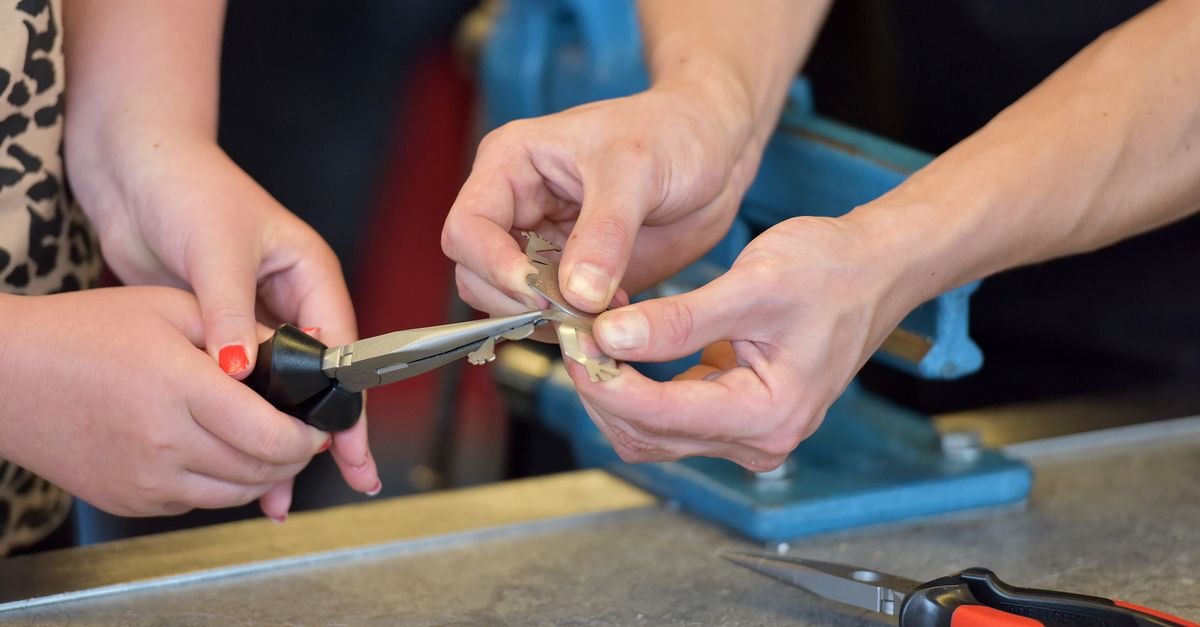
Our technicians assess the make, model, and lock type before recommending a method. Many modern residential safes rely on a mortise lock cartridge embedded in the door — a precision component that requires specific tools and training to address without causing collateral damage. We carry a broad inventory of replacement parts for mortise lock assemblies, door knob lock cylinders, and electronic control boards, which means the repair often happens in a single visit rather than requiring back-ordered components.