What Makes Audi Key Replacement More Complex Than a Standard Car Key
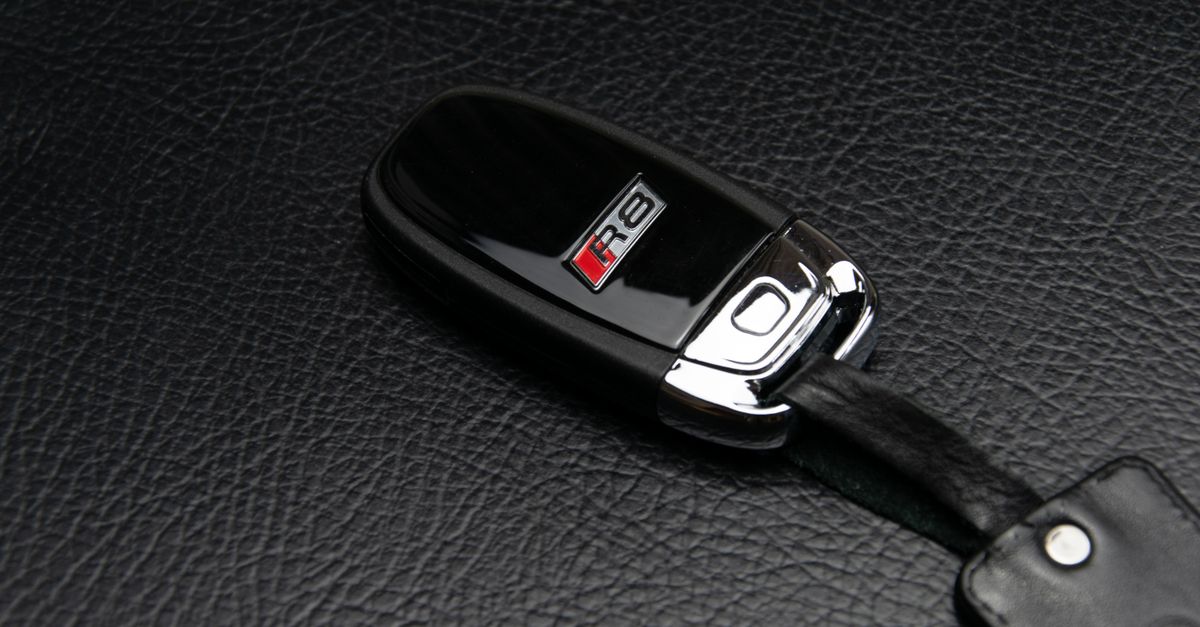
Audi has progressively advanced its key security architecture across model generations. Older A4, A6, and TT models used basic transponder chips — a passive chip embedded in the key head that the ignition reader interrogates on every start attempt. If the chip is absent, cloned incorrectly, or unprogrammed, the immobilizer blocks the engine regardless of whether the mechanical cut is correct. Mid-generation Audi fobs introduced rolling-code radio frequency technology, meaning the fob and car exchange a new encrypted code with every button press. Losing sync — from a dead battery, signal interference, or a failed fob — means the car simply will not respond to lock or unlock commands, and in some configurations, the start sequence is also affected. More recent Audi models use proximity smart keys that communicate passively as you approach the vehicle, requiring bi-directional coding between the key module and the car's central electronics. Each layer of complexity means the replacement process is not a simple key-cutting exercise — it requires the right programming hardware, up-to-date software, and a technician who understands how Audi's immobilizer and drive-authorization systems interact.
Our mobile technicians carry professional-grade OBD-II diagnostic and key-programming equipment capable of working across a wide span of Audi model years and trim lines. We can generate and code a new key on-site, add a spare key to your vehicle's authorized key list without deleting existing keys, and confirm successful immobilizer pairing before we leave. This on-site capability is what allows us to complete most Audi key replacement jobs significantly faster than arranging a dealer appointment — no tow, no waiting days for a parts order, no scheduling around business hours.