What Key Fob Programming Actually Involves — And Why It Matters
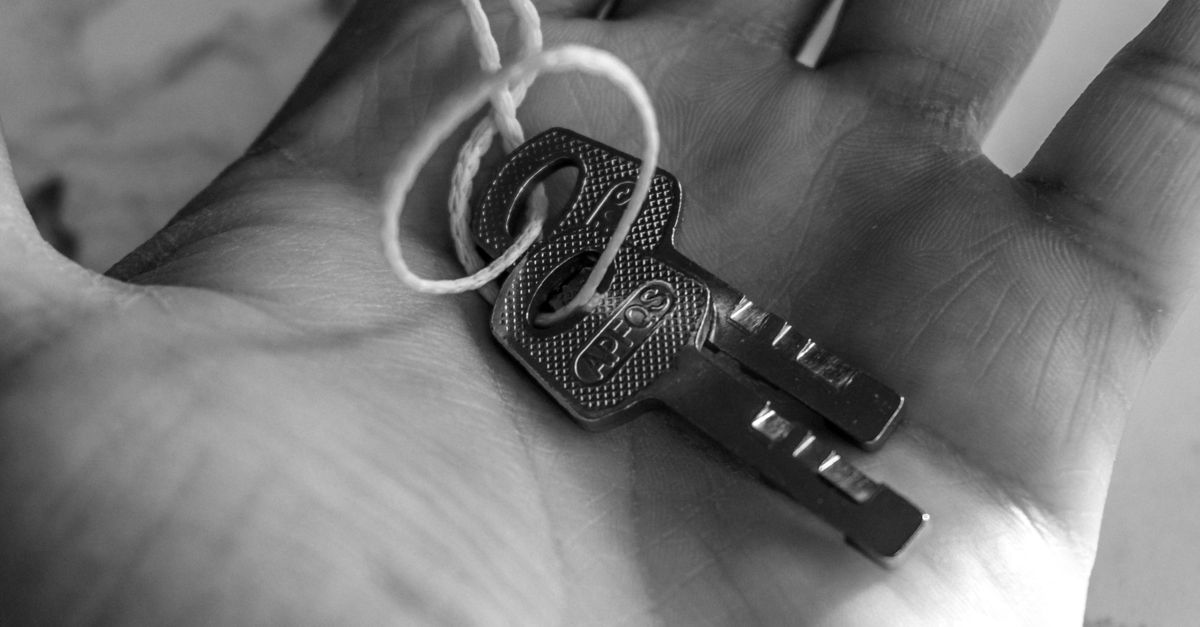
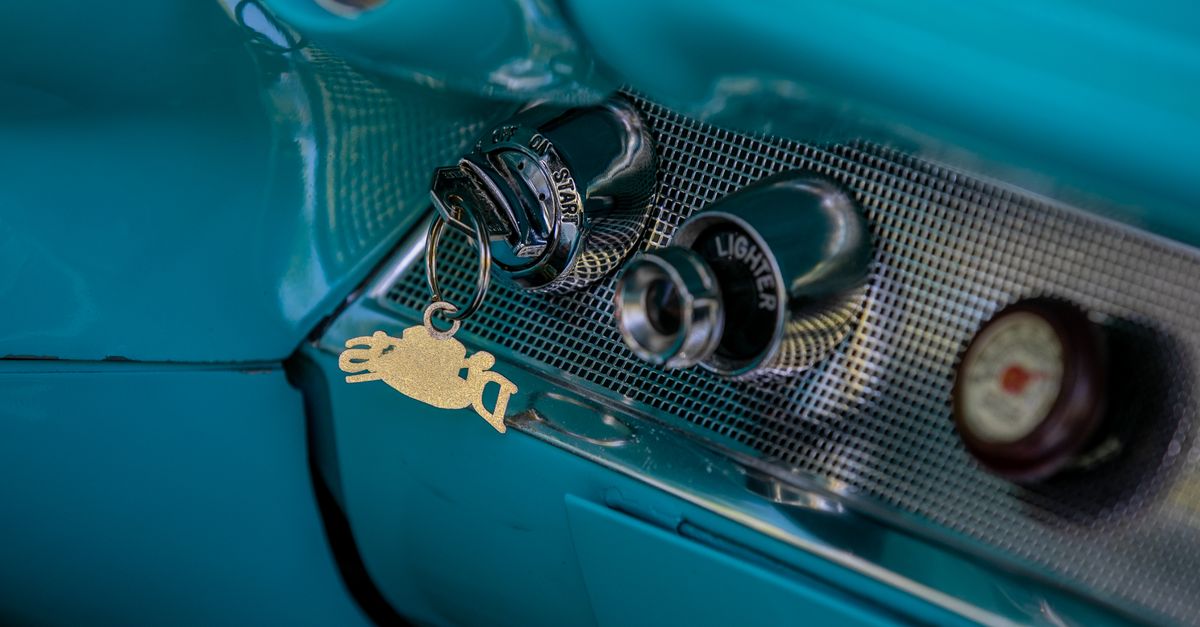
A key fob is far more than a plastic button. Inside the housing sits a small radio transmitter paired to a receiver module in your vehicle. When that pairing breaks — after a dead battery replacement, a fob replacement, or electronic interference — the car simply will not respond to your commands. Transponder keys go a step further: a microchip embedded in the key blade must broadcast the correct encrypted signal to the vehicle's immobilizer before the engine will even crank. Programming these chips requires specialized diagnostic equipment that reads your vehicle's make, model, and year, then writes the correct code to the new key or re-syncs an existing one. Our technicians carry that equipment in mobile service vehicles so the work happens wherever you are, whether that is the Morris Plains train station parking lot or a side street off Morris Avenue.
Skipping professional programming and opting for a generic, unprogrammed key blank might get you into the car but will not start the engine — a frustrating and costly mistake. Our approach is methodical: we verify ownership documentation first, identify the exact transponder protocol your vehicle uses, program the key or fob to manufacturer specifications, and then test every function before we consider the job complete. The result is a fully functional key that performs exactly as the original did.